See the P&L while you can still change it.
We teach you and your managers to read the numbers every week, know what drives them, and act before the month closes.
What it sounds like from the inside.
If you learn what happened long after it mattered, this is for you.
- I get the numbers weeks after it matters.
- My managers see sales, not profit.
- I do not know which line is the problem.
- We hit sales and still missed.
- Nobody owns the number.
Why it happens
A P&L is a record of decisions that were already made.
By the time it lands, the money has moved. The fix is not better reports. It is a weekly rhythm where the right person looks at the right numbers and knows which lever to pull.
What we do.
Set up the weekly view
The few numbers that matter, each with a name next to it.
Connect numbers to behavior
What actually drives each line in daily operations, so a number points to an action.
Teach managers to run their P&L
Read it, explain it, and act on it, without waiting for you.
Build the review rhythm
A weekly meeting with clear actions and follow up, so the numbers change decisions.
How it works.
The same loop every time. We stay in the work until the standard holds without us.
Assess
We review how numbers are produced, who sees them, and how long it takes.
Standardize
We set the weekly view and who owns each line.
Train
We teach your managers to read their numbers and act on them.
Inspect and correct
We run the weekly review with you until your team runs it without us.
The difference you will see.
Without it
You find out after the month closes. Managers focus on sales. Problems repeat because no one connected the number to a decision.
When it holds
Everyone knows their number and what moves it. Problems are caught in the week they start. The P&L confirms what you already knew.
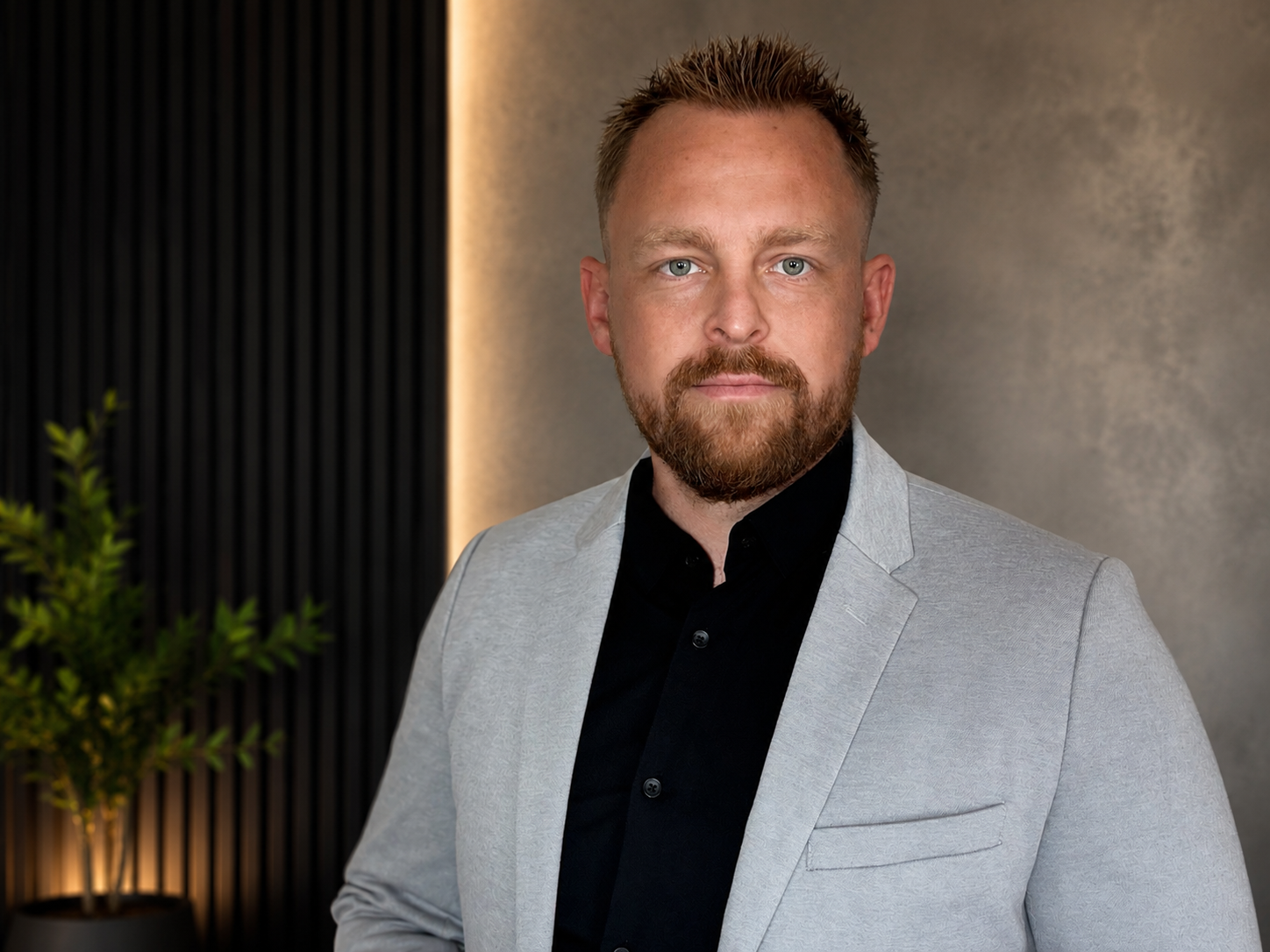
I have managed costs in restaurants that do over $10 million in revenue a year, where a small leak is a big number.
Do you replace my accountant?
No. Your accountant keeps the books. We make the numbers usable by the people who run the operation every day.
What happens on a fit call?
It is a short, honest conversation. You tell me where the business is and where it keeps getting stuck. I give you direction on what to look at first. If working together makes sense, we talk about what that would look like. If it does not, you leave with clarity. There is no pitch and no obligation.
Do you work with my industry?
Yes. The operating principles are the same wherever people deliver an experience to a customer. I built them in restaurants, where mistakes show up fast, and I apply them across industries.
Start with a fit call.
A short, honest conversation about where you are and what to fix first.
Book a fit call No pitch. No obligation.