Every shift should train the same way.
We build onboarding and training that is taught once, taught the same way every time, and checked.
What it sounds like from the inside.
If new hires learn from whoever happens to be working, start here.
- New hires learn from whoever is on shift.
- I have told them the same thing ten times.
- We lose people in the first month.
- Our training is a binder nobody opens.
- Our best people cannot be cloned, and training depends on them.
Why it happens
When training lives in people's heads, it changes with the person.
The standard drifts, and new hires learn the drift. Training works when it is a system: a clear standard, a path to learn it, and a way to confirm it stuck.
What we do.
Build the standard
What great looks like for every role, in words a new hire understands on day one.
Build the path
A day by day onboarding plan with sign offs, so no one is guessing what comes next.
Train your trainers
Your own people teach it, with the skills and tools to do it well.
Inspect the result
Observation, checklists and retraining, so you know the standard is being met.
How it works.
The same loop every time. We stay in the work until the standard holds without us.
Assess
We watch how people are trained today and find where the standard changes from shift to shift.
Standardize
We write the standard and the onboarding path for each role.
Train
We teach your trainers to run it and coach them through the first cycles.
Inspect and correct
We check results, fix the gaps, and repeat until training is routine.
The difference you will see.
Without it
Training depends on who is working. New hires guess. The standard slowly drifts and people leave before they ever got good.
When it holds
Every new hire follows the same path. Trainers know what to teach and how to check it. People ramp faster and stay longer.
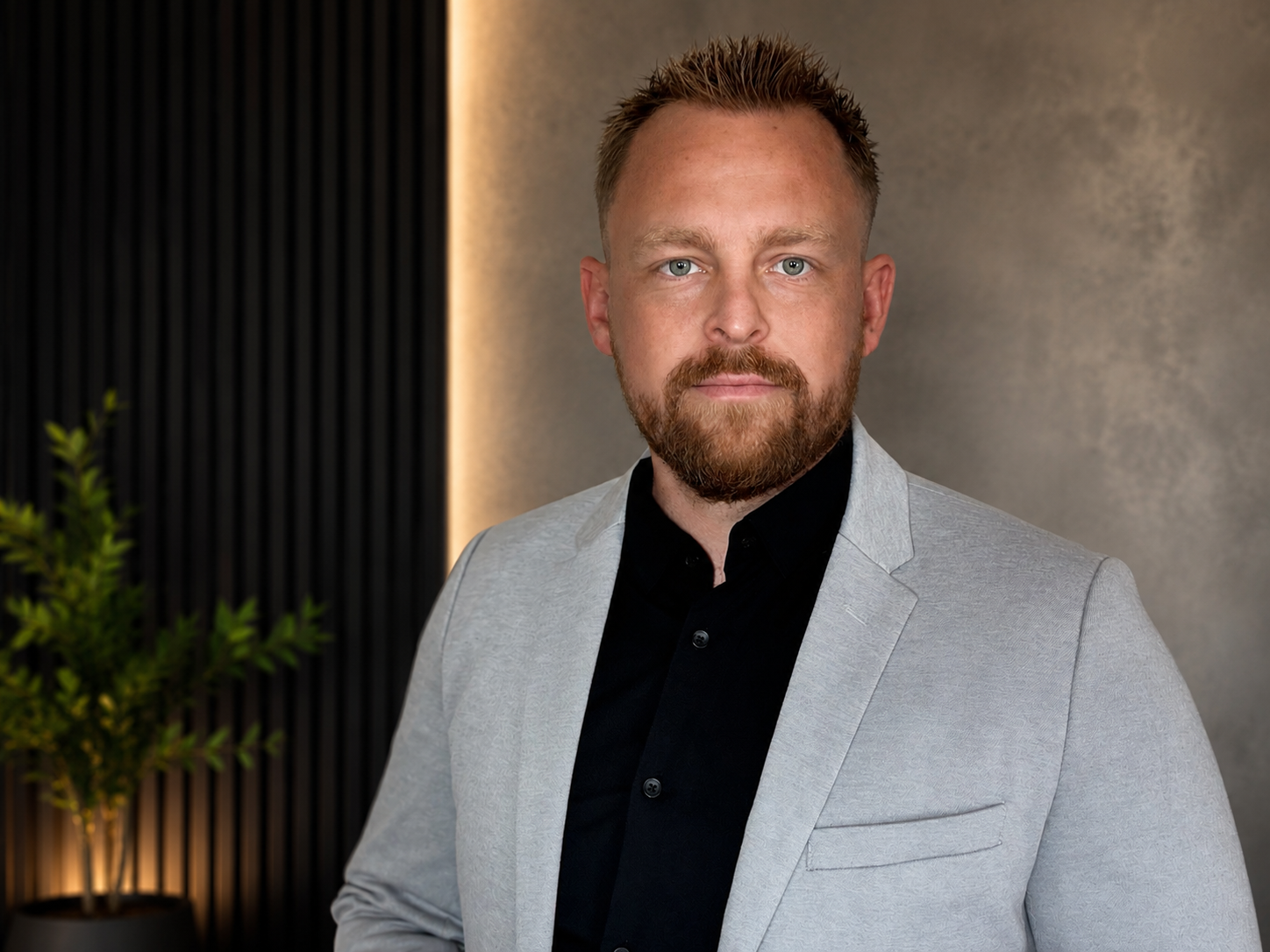
Our team has trained more than 1,200 people, and our founder spent years as a director of culinary training and development.
Do you train my team, or build the system?
Both. We build the system, teach your people to run it, and then step back. The goal is training that works without us.
What happens on a fit call?
It is a short, honest conversation. You tell us where the business is, where you want it to go, and what is in the way. We give you direction on what to look at first. If working together makes sense, we talk about what that would look like. If it does not, you leave with clarity. There is no pitch and no obligation.
Do you work with my industry?
Yes. The operating principles are the same wherever people deliver an experience to a customer. We built them in restaurants, where mistakes show up fast, and we apply them across industries.
Start with a fit call.
A short, honest conversation about where you are, where you want to go, and what to look at first.
Book a fit call No pitch. No obligation.